
In a statement that immediately ignited controversy across social media and news outlets, Fox News host Greg Gutfeld publicly called rock legend Bruce Springsteen “a pussy.” The incendiary comment has sent shockwaves through the entertainment world and sparked fierce debate about the boundaries of public discourse, respect for cultural icons, and the role of provocation in modern media.
What Happened?
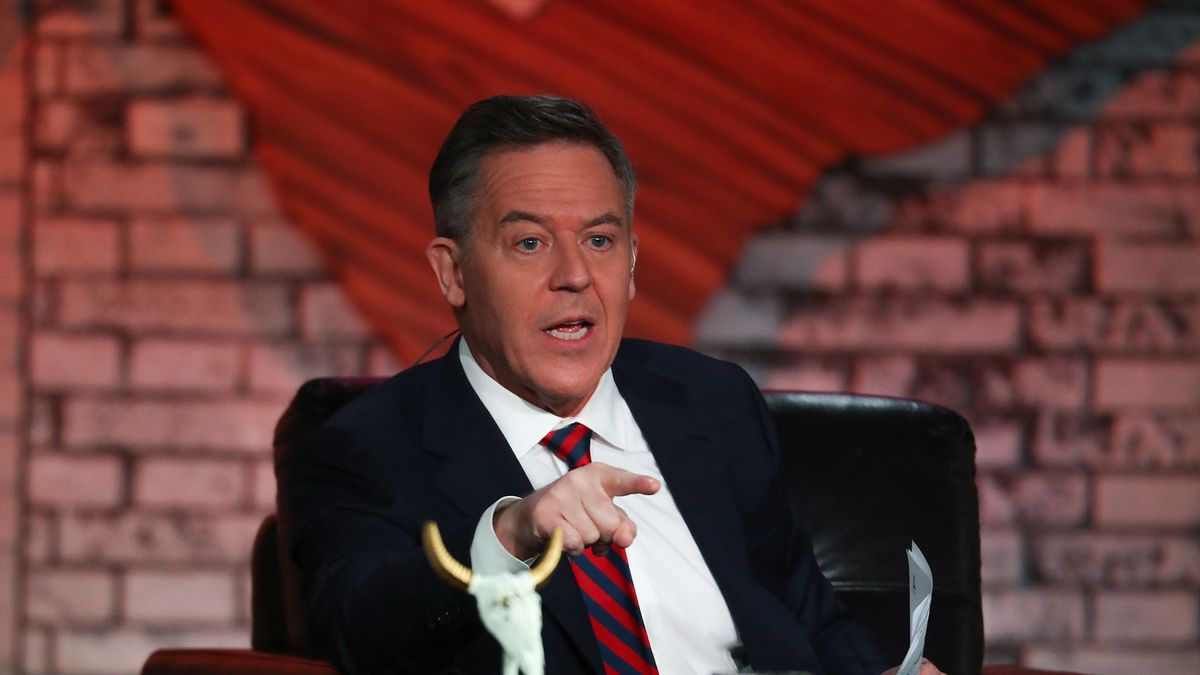
Greg Gutfeld, known for his brash style and provocative opinions, made the remark during a recent episode of his show. While discussing Springsteen’s political stances and recent public statements, Gutfeld dismissed the musician’s legacy and character with the blunt insult. “Bruce Springsteen? Honestly, he’s just a pussy,” Gutfeld said, triggering an immediate backlash.
Why Did He Say It?
The exact reasons behind Gutfeld’s harsh words remain debated. Some speculate it was a reaction to Springsteen’s outspoken progressive views and his criticism of conservative politics. Others believe it was an attempt to provoke and stir controversy, a common tactic for cable news personalities seeking to boost ratings.
Springsteen, who has long been a symbol of working-class America and social activism, frequently uses his platform to comment on political and social issues. Gutfeld’s insult seems to target what he perceives as hypocrisy or softness in Springsteen’s image, accusing him of lacking the toughness he sings about in his songs.
Fans and Critics React
The response was swift and polarized. Springsteen’s fans flooded social media with support for the rock icon, calling Gutfeld’s remarks disrespectful and unwarranted. “Bruce Springsteen has inspired generations,” one fan tweeted. “To call him a coward is ignorant.”
On the other hand, some viewers sided with Gutfeld, praising him for calling out what they see as celebrity virtue signaling. They argue that public figures who loudly share political opinions should be prepared for criticism.
The Broader Cultural Context
This incident is more than just a clash between two personalities; it reflects the deep divisions in today’s cultural landscape. The U.S. is grappling with intense polarization, where celebrities’ political views are often weaponized in public debates.
Greg Gutfeld’s insult is emblematic of a media environment that rewards shock value and harsh rhetoric. While some see it as a fearless expression of free speech, others worry it contributes to toxic discourse and erodes respect for different opinions.
What About Springsteen?
Bruce Springsteen has not yet publicly responded to Gutfeld’s insult. Known for his thoughtful and often poetic reflections on life and society, it remains to be seen whether he will address the controversy or ignore it altogether.
Historically, Springsteen has weathered criticism and political attacks but remains a beloved figure among millions worldwide. His music, characterized by stories of resilience and struggle, continues to resonate deeply across generations.
Is This Just Media Drama?
Some experts suggest that Gutfeld’s comment is a calculated move designed to generate headlines and social media buzz. In an era where attention is currency, provocative remarks often serve as effective tools to capture audience interest.
However, such tactics risk trivializing meaningful conversations and turning public discourse into a spectacle.

What Can We Learn?
The Gutfeld-Springsteen clash offers several lessons about communication and respect in the public sphere. It raises questions about how we engage with differing opinions, the limits of satire and insult, and the impact of media personalities on societal dialogue.
While debate and disagreement are healthy in a democracy, the line between critique and personal attack can easily blur.
Conclusion
Greg Gutfeld calling Bruce Springsteen “a pussy” has stirred controversy far beyond a simple insult. It reflects the complex interplay of politics, media, culture, and public opinion in modern America. Whether viewed as brave candor or unnecessary provocation, this episode underscores the challenges we face in maintaining respectful and meaningful conversations in a polarized world.
News

“Steve Doocy’s Surprising Dance Lessons with Dallas Cowboys Cheerleaders: Can He Keep Up?”
Preston is not just a name on a map. It is the heartbeat of a resilient community that has faced…

“A Kiss, A Scandal, and A Message: What Is Justin Bieber Really Telling Us?”
Los Angeles, California — In a moment that felt more like a scene from a movie than real life, Justin…

“Inside the Star-Studded Celebration: Timothée Chalamet, Jordyn Woods, and Russell Wilson Join Knicks After Historic Victory”
After clinching a dramatic and historic win that sent shockwaves through the NBA world, the New York Knicks didn’t just…

“Months of Rumors, One Answer: Belichick Finally Speaks Out About His Controversial Relationship”
After months of viral headlines, relentless online speculation, and harsh criticism, legendary NFL coach Bill Belichick has finally spoken publicly…

“Secrets, Strategy & Success: Dana Perino to Headline MBA’s Most Anticipated Event of the Year”
Erie, Pennsylvania — The city is abuzz as Dana Perino, former White House Press Secretary and current Fox News anchor,…

“From Touchdowns to Tee Times: The Mahomes Couple Turns Golf into a Romantic Affair”
NFL superstar Patrick Mahomes may be known for his powerful arm on the football field, but this past weekend, it…
End of content
No more pages to load